
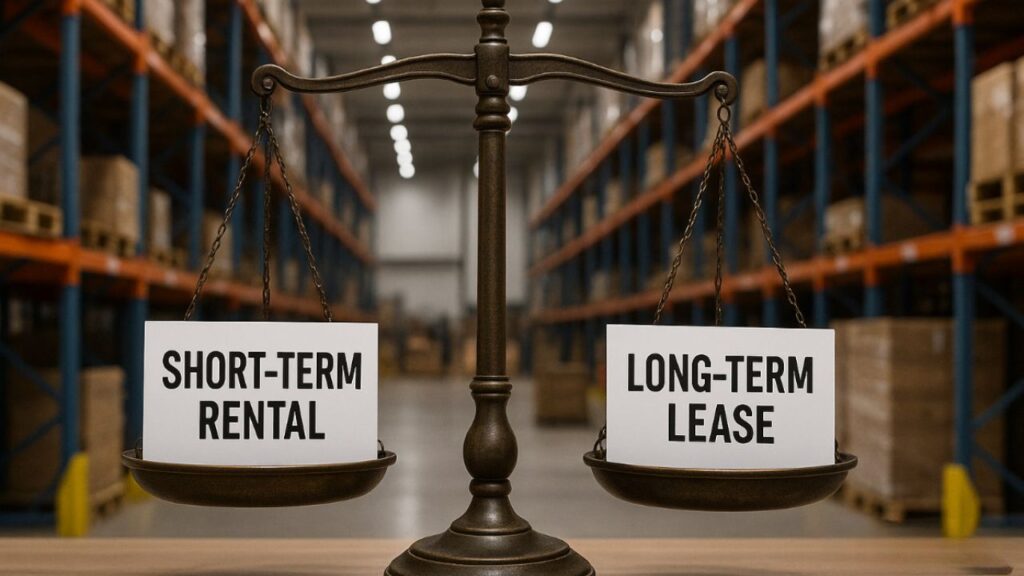
Renting out a property? Chances are, you’ll have to choose between short-term and long-term rentals. This decision shapes the way you manage your place, how much time you’ll spend on it, and how much money you could make.
This article will discuss the difference between short-term and long-term rentals.
What Is a Short-Term Rental?
A short-term rental is literally what it implies: renting of your house, apartment, and even a separate room on several days, a week, or even several months. Individuals rent out short term in order to go on vacation, business trips or even temporarily when they are on the move between homes. The idea of short-term renting is also tried by many owners who buy a property in places of popular attractions or in the hubs of the city since they can earn additional income in those periods when demand is high.
A short term rental is typically anything less than six months. This is usually a good choice to those owners who want to invest in short-term rental especially when the area has a large number of visitors or there is a high level of seasonality.
What Is a Long-Term Rental?
The long-term renting is slightly different. These are tenants who are ready to remain at least six months, a year or even more. This is the most common type of rental arrangement that most owners usually envision when they mention the term: rental property. Long term rentals are the category of rentals that fit well with individuals who desire to have a home to remain in a stable setting such as students, professionals or family.
Most owners are preoccupied with preparing property for new tenants before they sign a lease, to make sure that the home is in a good condition and can be move-in ready. After signing the lease, you and the tenant have proper directions on the duration of stay, the monthly lease, and the duties of each individual. Such a structure brings predictability and confusion minimization on the part of all parties involved.
Long-Term Rentals: Why Would You Choose Them?
Let’s be real, long-term rentals are all about stability. You get the same renter living in your property for a while, so you get steady rent coming in. You won’t have to clean all the time, restock supplies, or answer tons of questions from different guests.
Here’s why renting long term might appeal to you:
- The money arrives on time every month
- Fewer vacant weeks, so your place is not sitting empty
- Less time spent hunting for new renters
- Maintenance chores don’t pop up as often
- Your tenant might even treat the place like their own
If you want to plan your finances and reduce worry, renting long term often makes sense.
Short-Term Rentals: Who Are They For?
Short-term rentals are flexible. If you travel a lot or only want to rent your property part of the year, this approach gives you options. Some people do it for extra cash during busy seasons, like holidays or significant events in town.
People choose short-term rentals for reasons like:
- You can charge more per night or week
- Use your own space when it suits you
- Adapt the price for busy or slow seasons
- Show off your place to travelers from all over
What this really means is, you might make more money per month, especially if your rental is in a popular spot. But, and this is the tradeoff, you’ll have more people coming and going, more cleaning, and definitely more messages to answer.
Comparing Income: Can You Make More With Short-Term Rentals?
Here’s the thing: You can make a lot with short-term rentals, but only if your property is in the correct location and you’re willing to put in the effort.
- Short-term rentals let you charge higher daily or weekly rates
- If tourists flood your area during certain months, your revenue could spike
- But there might be dry spells when no one books your place
On the flip side, a long-term vacation rental or standard lease brings in less per month, but you don’t worry about high and low seasons. So, if you prefer a budget long-term rental plan with steady income and lower costs, this is the way to go.
What About Workload? How Much Time Will You Spend?
Short-term rental owners must be active. Think:
- Managing bookings: Keeping calendars straight and answering questions
- Check-ins, check-outs, and cleaning after each guest
- Dealing with damaged furniture or missing items
- Constantly updating photos or descriptions to attract new renters
Long-term rental owners? Much calmer. Usually, you:
- Find a tenant, screen them, and sign a lease
- Set up auto-payments and repairs
- Check in once in a while, but mostly relax
If you already have a day job or lots of family stuff, renting long term takes much less of your time. You focus on your life, not your tenants.
Maintenance and Upkeep: More Guests, More Wear
When you have different guests coming in week after week, your property will naturally need more upkeep. Accidents happen, carpets get stained, dishes break, and certain items wear out faster than expected. This is also where many owners start looking for top rental property maintenance tips to help manage the increased workload.
Think about this before you decide:
- Short-term tenants might be less careful since they’re only there a short time
- More turnover means more cleaning between stays
- You must stay on top of repairs and keep things hotel-fresh
Long-term renters usually want their ‘home’ to be lovely too. If you choose carefully, these tenants might even help look after your place, calling you only when something significant needs fixing.
Rules and Laws: What’s Allowed Where You Live?
Here’s a key step: not every area allows short-term rentals. Some cities set limits or require special permits or extra taxes. Know the rules in your area before investing money or making plans. For long-term cottage rentals or similar rural setups, regulations are often simpler, but it’s always wise to check.
Short-term rental vs long-term rental rules differ. Make sure you’re following your city’s latest guidelines to avoid headaches.
Is Short-Term or Long-Term Renting Cheaper for Tenants?
Tenants also have different needs. Some want a furnished place for a few weeks; yes, it costs more per night, but it’s perfect for a business trip or moving between houses. Others want a fixed address and lower monthly costs, so long-term rentals are more attractive.
If you’re a landlord, know who your market is. High student turnover? Maybe short-term is better. Stable families in your area? Long-term works best.
Flexibility and Freedom: Can You Use Your Place Yourself?
One of the perks of short-term rentals: You can block off dates and use the property for your own vacation, family visits, or special plans. With long-term leases, once you sign a contract, the tenant takes over for the duration. If you want your rental as a backup family getaway, the short-term approach wins.
But if you’re okay with not using your place at all, you trade that flexibility for peace of mind and regular income.
Who Should Pick Which?
Let’s understand.
Pick a long-term rental if:
- You want a steady, reliable income month after month
- You don’t have time to manage guest after guest
- You want fewer surprises and less paperwork
Choose a short-term rental if:
- Your property is in a hot spot with lots of travelers
- You have time or a manager to handle bookings, cleaning, and repairs
- You want to use your place sometimes by yourself
Conclusion
Renting is not only about money, it is about getting what fits your lifestyle. Long-term rentals prove to be good in the case of the owner who desires a steady stream of income without the day-to-day interaction, whereas in the case of a person who likes to meet new people and does not mind such activity on a daily basis, short-term rentals can be a better choice. You are out searching and many owners seek out real estate solutions Denver to know what strategies to use to achieve their objectives.
Plan in advance, check on local regulations and select the type of rental that will help you in your long term plans. No matter which model fits best (a flexible short-term approach or a long-term approach that is more stable), time to learn and plan will always be rewarded.