

Did you know? A recent survey found that 40% of renters fear losing their security deposit — even when they’ve done nothing wrong. Misunderstandings like this can create stress, lead to bad decisions, and even cost you money.
Renting a property or apartment comes with plenty of benefits — flexibility, lower upfront costs, and freedom from certain ownership responsibilities. But it’s also surrounded by misunderstandings that can lead tenants to make poor choices or worry unnecessarily.
Let’s bust the 7 most common myths about renting and reveal the facts behind them, so you can make smarter housing decisions.
1. A Bad Credit Score Means You’ll Never Get Approved for an Apartment?
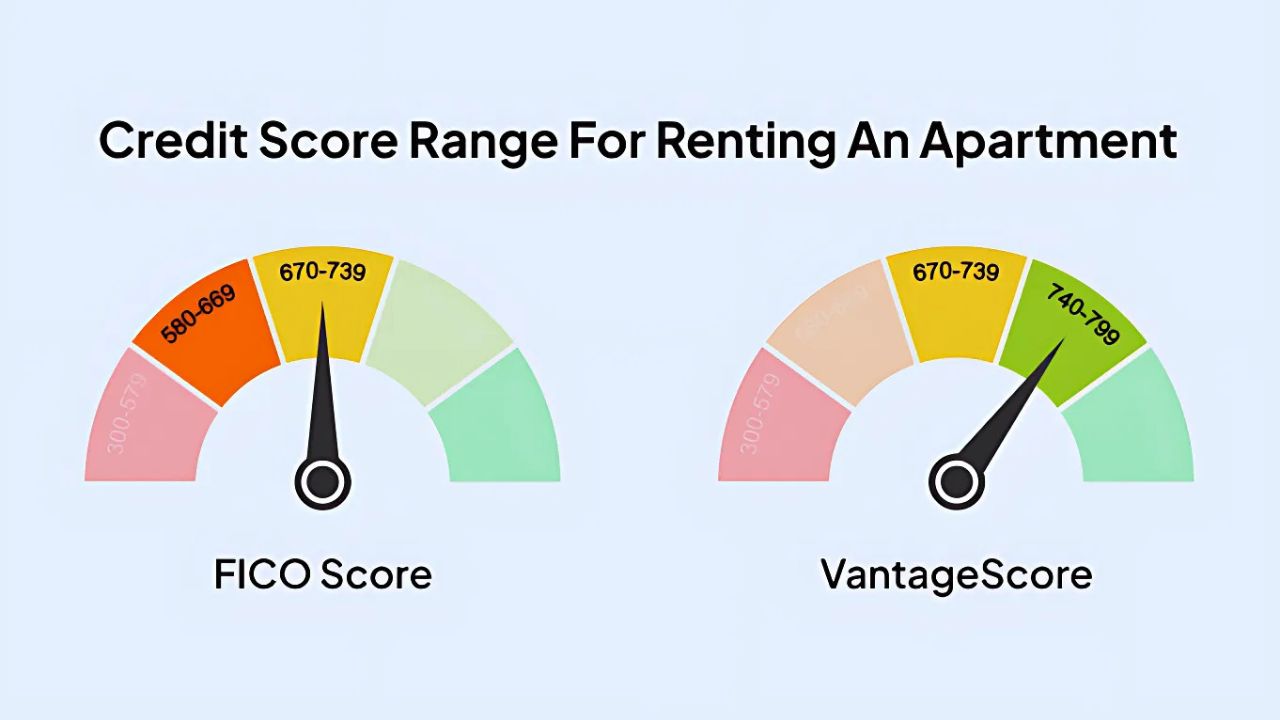
Having a low credit score can make renting more challenging, but it doesn’t automatically rule you out. Many landlords consider more than just your credit — factors like steady income, positive rental history, and strong references can work in your favor.
Offering proof of reliable employment, a larger security deposit, or a co-signer can also improve your chances.
Some landlords may focus more on your recent payment history than on older credit issues, especially if you’ve consistently paid rent on time in recent years. The most important thing is to be honest and demonstrate that you’re a trustworthy tenant.
Takeaway: A low credit score isn’t the end — bring extra documentation, be transparent, and show you can meet your rental obligations.
2. The Longer You Stay in a Rental, the More Likely You Are to Lose Your Security Deposit

It’s a common belief that living in a rental for many years increases your chances of losing your security deposit because of wear and tear. In reality, normal wear and tear — such as faded paint, worn carpet, or a few small nail holes — is not a valid reason for a landlord to keep your deposit.
Landlords can only deduct excessive damage beyond everyday use, like large holes in the wall, broken appliances from misuse, or significant pet damage. In fact, tenants who stay long-term, pay rent on time, and care for the property often have a better chance of getting their full deposit back.
Takeaway: Document the property’s condition when you move in and move out, and fix small issues early to avoid bigger problems later.
3. Landlords Are Responsible for Every Repair and Maintenance Task

It’s true that landlords must keep a rental property safe and livable, but that doesn’t mean they’re responsible for every repair. Tenants are typically expected to handle minor upkeep tasks such as replacing light bulbs, changing air filters, or unclogging a drain they caused.
Your lease should clearly state which repairs fall under your responsibility and which are the landlord’s duty. Major problems — like a broken water heater, faulty wiring, or structural damage — are almost always handled by the landlord, but everyday maintenance and cleaning are usually up to the tenant.
Takeaway: Review your lease closely before moving in so you know exactly what’s expected of you. Understanding your responsibilities helps prevent disputes and keeps the property in good condition.
4. Your Landlord Can Evict You Anytime, for Any Reason

Landlords can’t simply evict a tenant on a whim — they must follow state and local eviction laws. In most places, eviction is only allowed for specific reasons, such as nonpayment of rent, repeated lease violations, or illegal activity on the property. Even then, the landlord must give proper written notice and go through the formal legal process before you can be required to leave.
As a tenant, you also have the right to challenge an eviction in court. In some states, “just cause” laws provide extra protection by limiting the situations in which a landlord can legally end your tenancy.
Takeaway: If you receive an eviction notice, review your local tenant laws immediately — you may have more rights and options than you think.
5. You Can Withhold Rent if You Handle Repairs or Maintenance Yourself

Some renters think they can simply deduct the cost of repairs from their rent if they pay for the work themselves. While a few states do allow “repair and deduct” policies, these come with strict legal requirements. You typically must notify your landlord in writing, give them a reasonable amount of time to make the repair, and keep detailed receipts for the work done.
If you withhold rent without following these steps, you risk late fees or even eviction. Often, the better approach is to work with your landlord directly and document all repair requests in writing before taking action on your own.
Takeaway: Learn your state’s repair laws before making fixes yourself, and always keep communication with your landlord open and documented.
6. Paying Rent is Just Throwing Money Away

Many people believe renting is “wasted money” because you’re not building equity like a homeowner. But renting can provide different types of value that ownership can’t always match. It offers flexibility to move when opportunities arise, freedom from property taxes and expensive repairs, and often the ability to live in neighborhoods that might be unaffordable to buy into.
For those who prioritize mobility, are saving for a future home, or prefer to invest their money elsewhere, renting can be a smart financial decision. It also shields you from risks like falling property values or surprise maintenance bills that homeowners face.
Takeaway: Renting isn’t throwing money away — it’s paying for flexibility, convenience, and relief from many of the costs and responsibilities of owning a home.
7. Landlords Can Enter Your Home Whenever They Want

Owning the property doesn’t give landlords the right to walk in unannounced. Tenants are legally entitled to privacy, and in most areas, landlords must provide advance notice — typically 24 to 48 hours — before entering for inspections, repairs, or showings.
The only exceptions are true emergencies, such as a fire, gas leak, or major water damage where immediate access is necessary to prevent harm. Your lease agreement and local tenant laws outline exactly how much notice is required and under what circumstances entry is allowed.
If a landlord repeatedly enters without notice, it may violate your rights, and legal remedies could be available.
Takeaway: Know your local entry laws, document any violations, and communicate your boundaries clearly with your landlord.
Conclusion
Many common renting myths are rooted in outdated information or partial truths. When you understand the real laws, your responsibilities, and your rights as a tenant, you gain the power to make informed decisions. By separating fact from fiction, you can protect yourself from costly mistakes, avoid unnecessary conflicts, and enjoy the freedom and flexibility that renting can offer.
Still confused whether renting or buying is the right choice? Learn more insights in this guide on whether to rent or sell your home.