
We think that managing rental properties in Colorado is easy, because for us it is only about collecting rents. But there’s more to this — it’s about staying compliant with state laws, maintaining safe living conditions, fostering positive tenant relationships, and following landlord laws and best practices that keep everything running smoothly.
- Staying compliant with state laws
- Maintaining safe living conditions
- Fostering positive tenant relationships
Whether you’re a seasoned property manager or a landlord handling your own units, understanding Colorado’s legal framework is essential.
Here’s a comprehensive breakdown of what you need to know.
What Licensing & Legal Requirements Must Property Managers Follow in Colorado?
In Colorado, property management comes with clear legal responsibilities. Here’s what managers need to keep in mind:
- Real Estate Broker License:
Most property managers must hold a broker’s license. Requirements include:
- 168 hours of pre-licensing education
- Passing a state licensing exam
- Completing a background check
- Obtaining proper insurance
Note: On-site managers are often exempt from this requirement.
Compliance With Community Laws:
All the managers of planned communities or condos need to follow the Colorado Common Interest Ownership Act, which governs community rules, fees, and operations.
Tenant Screening Rules
Landlords and managers have the right to charge application fees, run credit checks, and perform background checks. The only condition is that all practices must comply with HB19-1106 and the Fair Housing Act, avoiding discrimination based on –
- Race
- Gender
- Religion, and
- Other protected classes
Habitability Standards:
Every property must meet safety and livability requirements defined by local building codes. Failing to do so can lead to disputes or legal penalties.
What Are the Most Common Legal Challenges for Property Managers?
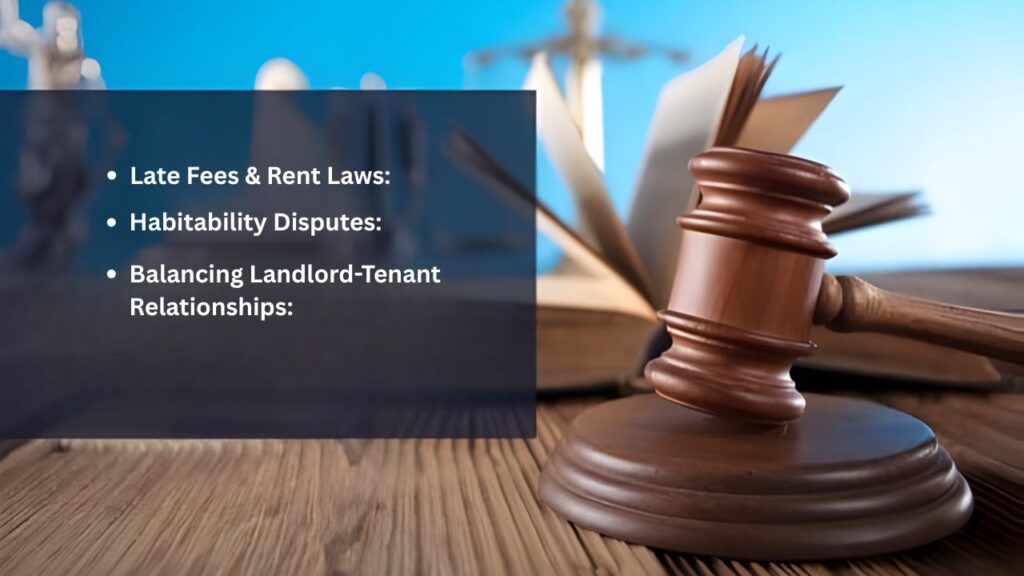
No matter how experienced managers are, even they have to deal with legal hurdles sometimes. And some of the most frequent issues are as follows:
- Late Fees & Rent Laws:
Colorado has strict rules on how late fees can be applied. Lease agreements must clearly disclose any fees. - Habitability Disputes:
Tenants may report unsafe or unlivable conditions. Regular inspections and prompt repairs are essential to prevent these conflicts. - Balancing Landlord-Tenant Relationships:
Understanding state laws and maintaining transparency can minimize misunderstandings and prevent costly legal challenges.
How Can Property Managers Stay Compliant in Colorado?
Property managers can avoid issues by following a structured compliance strategy:
- Regular Training
Attending workshops or online courses is what helps in staying updated with the changing laws and building codes. - Legal Audits
Managers can conduct annual audits of leases, maintenance records, and tenant communications. This will help in identifying compliance gaps. - Documentation
They need to keep detailed records of financial transactions, repairs, tenant interactions, and inspections. - Consult Professionals
Working with legal experts ensures adherence to complex regulations and reduces liability risks.
What Are the Key Responsibilities of Property Managers?
A property manager’s role covers both operational and financial duties:
Maintenance Duties
- Respond promptly to repair requests: By responding on time, managers can avoid small issues from becoming big and leading to costly repairs. By doing this they can keep tenants satisfied.
- Carry out regular inspections: Regular checks are what is required to help identify the maintenance issues early. This is an important step in ensuring that the property stays in good condition.
- Ensure compliance with safety and building codes: When property managers follow rules, codes, they are sure to reduce legal risks and keep tenants safe.
- Keep all the common areas clean and accessible: By prioritizing the cleanliness of the common areas, they are sure to improve tenant experience and property value.
Financial Management
- Track rent collection, utilities, and expenses: Monitoring income and costs ensures the property remains profitable and financial issues are caught early.
- Prepare accurate monthly reports for landlords: With the clear reporting, landlords are sure to make better, informed decisions and maintain the required transparency.
- Use reliable property management software: Software minimizes errors, automates tasks, and keeps records organized.
- Ensure reporting aligns with local and state regulations: Compliance avoids fines and legal problems, protecting both the manager and landlord.
How Do Eviction Laws Work in Colorado?
Eviction being a sensitive and highly regulated process in Colorado, requires property managers to follow the legal steps carefully. The process is as follows-
Notice Requirements
They must provide a proper written notice based on the reason for eviction. For instance, a 10-Day Notice to Quit for unpaid rent. Doing this ensures that the tenants are well aware of the issue and have a chance to respond.
Filing in Court
If the tenant does not comply with the notice, the property manager must file an eviction lawsuit. A judge then reviews the case and decides whether the eviction is legally justified.
Tenant Protections
Tenants have the right to contest the eviction for improper notice or other valid defenses. In some cases, they may be allowed to pay overdue rent or correct lease violations before being removed from the property.
What Resources Are Available for Property Managers in Colorado?
For all the property managers in Colorado, you are not required to navigate the rules and responsibilities alone. There are so many trusted resources that can help you stay compliant and confident.
State Resources
- Colorado Department of Regulatory Agencies (DORA): For all licensing requirements and regulatory updates DORA helps you.
- Colorado General Assembly: This source is crucial as it keeps you updated about the latest legislative changes that might affect landlord–tenant laws or property management practices.
- Colorado Housing and Finance Authority (CHFA): Ideal for those involved in affordable housing programs or looking for financial assistance resources for property projects.
Professional Associations
- Colorado Association of REALTORS: CAR is what offers ongoing education, legal insights, and market updates to help real estate professionals stay informed and confident in their practice..
- National Association of Residential Property Managers (NARPM), Colorado Chapter: A great place to connect with other property managers, get certified, and learn best practices through events and training.
It does not matter if you are new to property management or already a pro, these organizations make it easier to stay updated, connect with others, and run things more smoothly.
The Final Verdict
Understanding the state’s rules on licensing, property upkeep, and compliance is crucial for all property managers. It helps them stay on the right side of the law and avoid unnecessary legal trouble. Knowing rental property safety requirements also plays a big part in this—because when you prioritize safety, you naturally reduce legal risks and give your tenants a better, worry-free living experience.
Sometimes, it’s the small things that make the biggest impact. And here we are talking about –
- Doing regular check-ins
- Keeping good records, and
- Staying updated on law changes
Because at the end of the way, it’s how you protect your property and build trust.
If you’re on the lookout for a property management team that stays on top of every legal and operational detail, RES Rentals makes compliance simple and stress-free.