
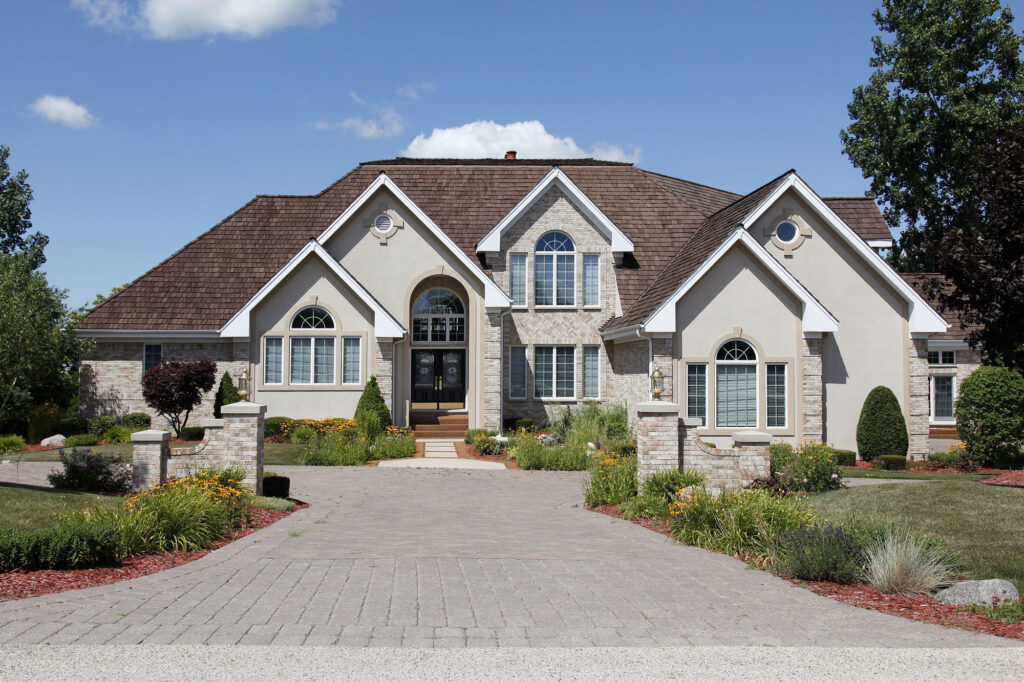
Resident property management sounds like a big job, but the idea is simple. It means taking care of rental homes where people live every day. It includes communication, maintenance, rent collection, safety, and rules. If even one of these gets messy, residents feel it fast.
Good management is not about being perfect; it is about being consistent. It is about doing the basics well and doing them the same way each time. When you do that, fewer problems pile up. Residents complain less. Owners deal with fewer surprises. And the property stays in better shape.
This blog explains what effective resident property management looks like in real life. You will see practical steps you can use. If you are a property owner, a manager, or someone learning the work, this will help you understand what matters most.
1. Provide Consistent and Reliable Support
Residents do not expect magic. They just want to know who to call and what happens next. When you make it easy to reach you and follow through on what you say, trust builds naturally. The tone you use matters as much as the help you give. A calm, respectful reply can stop a small issue from turning into a big fight. Speed matters, but only when it comes with follow-through. If you say you will check on something, then actually check on it. That one habit solves more problems than fancy systems ever will. Best practices include:
a. Clear ways for residents to contact you
b. Friendly, respectful support every time
c. Quick response times with follow-through
2. Strong Communication and Transparency
Most resident problems are not caused by repairs. They are caused by silence. When people do not know what is happening, they assume the worst. A quick update can stop hours of worry. Tell residents about delays before they have to ask. Share inspection dates early and focus on understanding property management rules so expectations are clear from the start. Keep rules simple and written down so nobody has to guess. When you communicate clearly, residents feel respected. When they feel respected, they complain less and cooperate more. Transparency is not about sharing everything but about sharing the right things at the right time. Offer them:
a. Simple rules that are easy to understand
b. Clear timelines for what happens next
c. Written records so nothing gets missed.
3. Maintenance That Is Fast and Organised
Maintenance is where residents judge you the hardest. If it feels messy, they think everything else is messy too. A good system makes requests easy to submit and easy to track. Residents should never wonder if their request got lost. Emergency issues need fast action. Non-emergency issues need clear timelines. After repairs, do a quick check to make sure the work was done right. Preventive maintenance saves you money and keeps small problems from turning into emergencies. Seasonal checks and minor fixes are not extras but are essential. Provide them:
a. Easy maintenance request process
b. Efficient for both Emergency and non-emergency handling
c. Work order tracking from start to finish
d. Quality checks after the repair is done.
4. Rent Collection That Is Simple and Fair
Rent collection is not just about money but about trust. If the process is confusing, tension builds fast. Give residents multiple ways to pay and make autopay available. Send reminders before rent is late, not after. Always give receipts. Handle late payments the same way every time and document everything. When the process is clear and consistent, residents know what to expect. That clarity prevents arguments. Fairness does not mean being soft. It means being predictable and treating everyone by the same rules. Provide them:
a. Multiple payment options and autopay
b. Precise due dates, reminders, and receipts
c. Consistent late-payment handling and documentation
5. Move-In and Move-Out Done the Right Way
Most deposit fights start at move-in, not move-out. Walk the unit with the resident on day one. Take photos. Use a checklist. Note every mark and scratch. This protects both of you. Give new residents a welcome guide with trash schedules, parking rules, and emergency contacts. When move-out time comes, share your expectations early. Tell them what “clean” means and how long deposit returns take. Clear timelines stop suspicion. Good documentation stops arguments. If you skip these steps, you will pay for it later with angry calls and disputes. For this, provide:
a. Move-in checklist and condition report with photos
b. Move-out checklist and clear deposit timeline
6. Property Inspections and Safety Standards
Safety is not optional. Regular inspections protect residents and protect you from liability. Check units and common areas on a schedule. Test smoke alarms, check exits, and fix lighting issues. Keep shared spaces clean and well-maintained. Small safety problems become big lawsuits if ignored. Residents notice when hallways are dirty or lights are broken. They feel safer when you stay on top of these things. Inspections also help you catch maintenance issues early before they get expensive. Make safety checks routine, not reactive. Provide them:
a. Routine unit and common area inspections
b. Safety checks for alarms, exits, lighting, and hazards
c. Cleaning and upkeep standards for shared spaces
7. Legal Compliance and Risk Control
Before renting out a property, it’s important for both landlords and tenants to clearly understand their rights and responsibilities. One area that often causes confusion is how deposits are handled, when they can be withheld, and what documentation is required. To avoid disputes and stay compliant, many owners rely on a security deposit law full guide that explains legal limits, timelines for returns, and acceptable deductions. Having this knowledge upfront helps protect both parties and creates a more transparent rental experience:
a. Fair housing and non-discrimination practices
b. Privacy and data protection for resident information
c. Proper notices and lawful enforcement of rules
d. Incident reporting and insurance coordination
8. Resident Retention and Community Care
Keeping good residents costs less than finding new ones. High turnover drains time and money. Ask for feedback and actually use it. Handle complaints calmly and fairly, even when residents are upset. Start renewal conversations early with clear lease options. Small improvements like fresh paint or updated fixtures reduce turnover more than you think. When residents feel heard and cared for, they stay longer. Retention is not about bribing people to stay but about removing the reasons they would want to leave. Ensure them:
a. Easy ways to collect feedback and act on it
b. Complaint handling that is calm, fair, and timely
c. Renewal planning early with clear options
d. Minor improvements that reduce turnover
9. Technology That Actually Helps Residents
Technology should make life easier, not harder. A resident portal gives people one place to submit requests, send messages, and view documents. Online payments let residents check balances and payment history without calling you. Keep important announcements in one organized place so they do not get lost. Make sure everything works on phones because that is how most people will use it. Do not add tech just because it looks modern. Add it because it removes steps and reduces confusion. Simple tools that work beat fancy tools that confuse people. Provide them:
a. Resident portal for requests, messages, and documents
b. Online payments and account history
c. Clear announcements and building updates in one place
d. Mobile-friendly tools that are simple to use
10. Performance Tracking and Continuous Improvement
Good managers improve because they measure what matters. Track how long maintenance takes from request to completion. Monitor on-time rent collection and delinquency trends. Watch renewal rates and resident satisfaction scores. Measure turnover time and how long units sit empty. You do not need complicated reports. You need honest numbers that show where you are strong and where you need work. Look at the data monthly. Find patterns, fix what is broken, and celebrate what works. Improvement happens when you pay attention. Ensure better performance with:
a. Maintenance response time and completion time tracking
b. On-time rent collection and delinquency trends
c. Renewal rate and resident satisfaction tracking
d. Turnover time and unit readiness tracking
Conclusion
Effective resident property management is not complicated, but it does require discipline. It means communicating clearly, treating people fairly, handling repairs correctly, and keeping systems consistent while staying aligned with rental property safety requirements that protect both residents and owners. When you focus on those basics, the whole experience improves for everyone involved.
If you build strong routines around communication, maintenance, safety, and fairness, you create a smoother day-to-day operation. And that is what good management should feel like.
One good example of a structured approach is RES, which shows how clear systems and steady follow-through can support a better resident experience without confusion.